Dresses
Bardot Dresses: Choosing the Neckline, Fit and Occasion
A bardot dress has an off-the-shoulder neckline that sits along the collarbones. It flatters most shoulder shapes when the elastic bodice is snug but not tight, and it works for weddings, summer dinners and daytime events if the fabric and shoes match the setting.
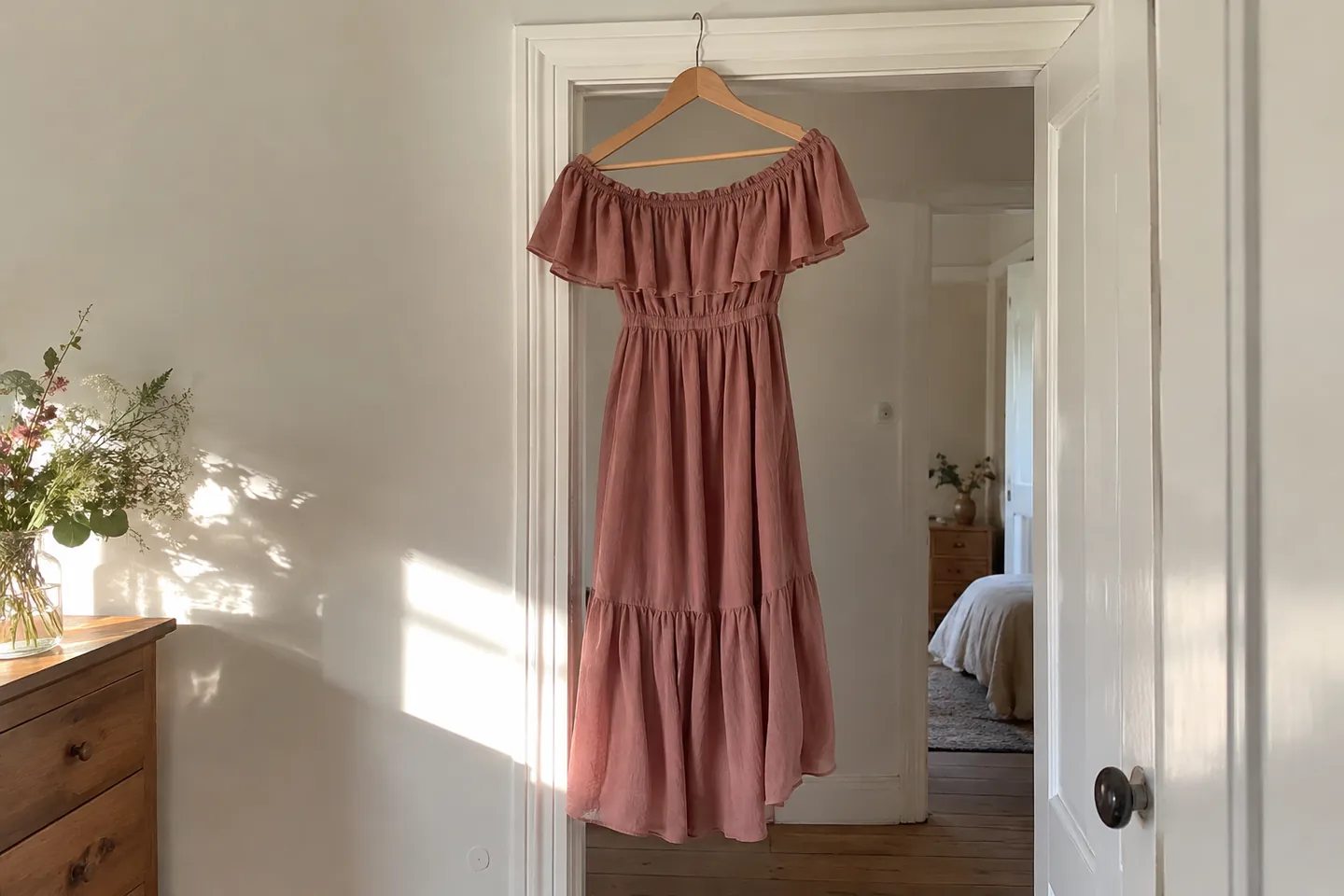
The bardot dress, sometimes called an off-the-shoulder dress, has a neckline that sits on the upper arm and the collarbones. It is one of the most searched dress styles for weddings, summer dinners and holidays, and one of the least understood. The neckline is simple to wear, but the fit depends on the bodice, the elastic and the length of the sleeve, and each one changes how the dress sits.
How the bardot neckline works
A bardot neckline is a wide, straight or gently curved line across the top of the chest that leaves the shoulders bare. Because nothing sits on the shoulder, the dress has to be held up by the bodice itself: an elasticated or smocked band, a boned or structured bodice, or a fitted cut that grips under the bust. This is why two dresses with the same neckline can behave very differently.
The neckline also changes the line of the shoulders. A wide bardot line can make narrow shoulders look broader and balanced, while a narrow line draws attention to a sloping shoulder. If you are unsure, choose a neckline that sits just off the shoulder bone, not on the upper arm, because that position is the most forgiving.
Neckline types compared
Bardot is the umbrella term, but the bodice underneath changes the result. The tabs below compare the four most common versions. Choose the one that matches your event and the support you need.
Bardot bodice comparison
Smocked elastic. The bodice is gathered with rows of elastic thread. It stretches to fit most bust sizes and keeps the dress up without help. Best for summer days, holidays and anyone who wants comfort. Watch out for a bodice that is too loose, which will slip down after an hour.
Boned structure. A firm bodice with boning or internal support holds the neckline in place. It suits evenings, weddings and a more formal look. Check the fit under the arm: a boned bodice must sit flat, not dig in.
Wide straight neck. A straight, wide neckline that sits on the collarbone with a fitted bodice. It is the most classic option and suits broad and narrow shoulders alike. It needs the bodice to be well cut, because a flat neckline shows any gap at the back.
Ruffled sleeve. A ruffle or small sleeve sits just off the shoulder and softens the neckline. It is a good choice for a romantic or garden look. It adds volume at the shoulder, so keep the rest of the dress fitted if the ruffle is large.
Choosing the bodice for your body
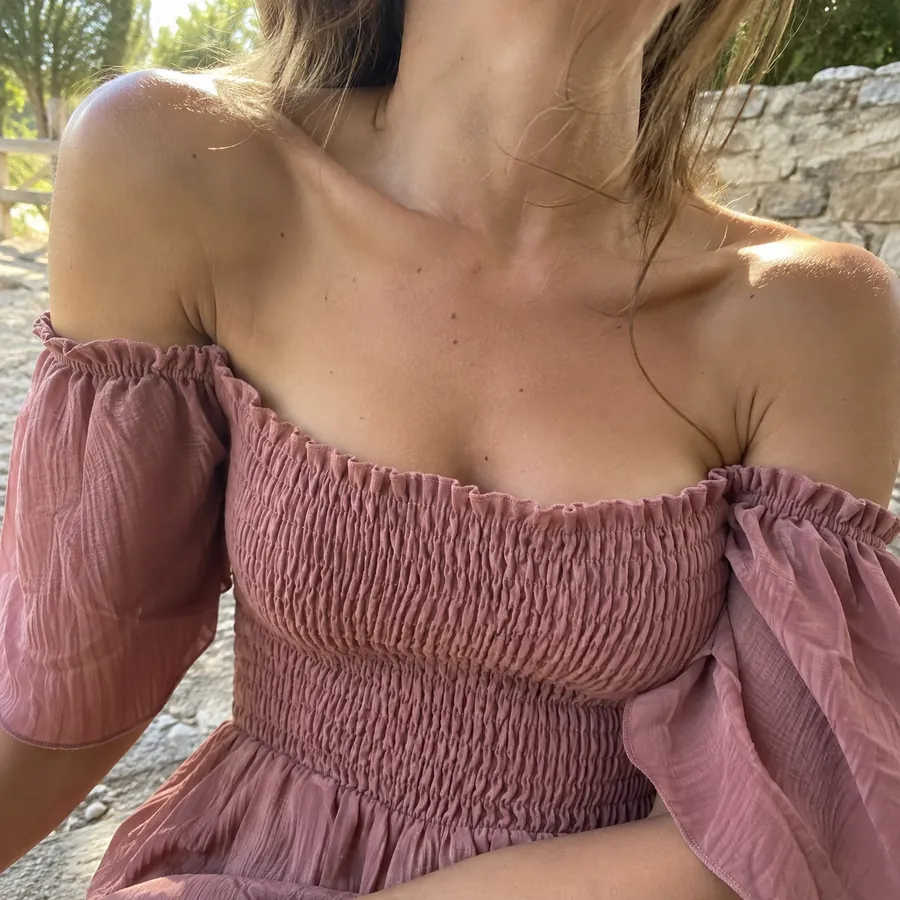
The bodice does the work, so it matters more than the neckline. A bust that is fuller than average needs a bodice with more structure: either a boned panel or a deeper elastic band. A smaller bust can wear a softer smocked bodice without the dress slipping. If the dress sits well at the bust but gapes at the back, the bodice is too wide; if it digs in under the arm, it is too small.
Try the dress with the shoes and bra you plan to wear. Many bardot dresses look different with a strapless bra than with no bra at all. A strapless bra with a low back and a firm cup is usually the safest choice. Silicone grip strips or clear adhesive tape help on a smooth bodice, but they should be tested before the day.
Length and occasion
Bardot dresses come in all lengths. A mini works for summer parties and festivals; a midi is the most versatile and suits daytime weddings and dinners; a maxi suits garden weddings and outdoor evening events. The length should match the setting, and the bodice should match the length. A long, loose skirt on a light smocked bodice can look relaxed; a long, structured skirt needs a firmer bodice to balance it.
| Setting | Bodice that works | Length | Shoes |
|---|---|---|---|
| Summer dinner | Smocked or wide neck | Midi | Strappy sandals |
| Daytime wedding | Boned or wide neck | Midi or knee | Block heels or wedges |
| Evening party | Boned structure | Midi or floor | Heels, embellished or plain |
| Holiday or festival | Smocked elastic | Mini or maxi | Flat sandals |
Shoes, bags and jewellery
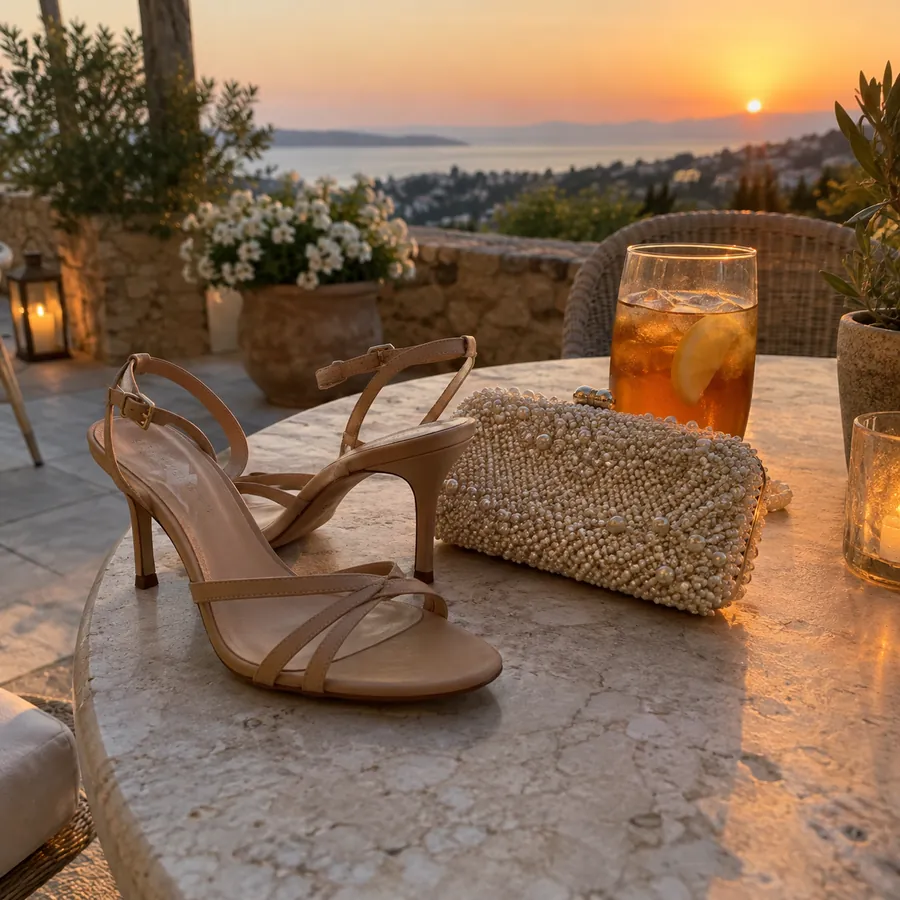
A bardot neckline is open, so the jewellery choice is more important than with a high neck. Choose one statement piece: a pair of drop earrings, a simple gold chain or a cuff. If you wear earrings, keep the necklace off, because the neckline already draws the eye across the collarbones.
For shoes, a strappy heeled sandal lengthens the line and suits almost every bardot dress. A block heel or wedge is more comfortable for outdoor events. Keep the bag small. A clutch or a slim crossbody suits evenings, and a woven tote suits daytime and holiday wear.
Fit checks before you buy
- Raise your arms: the bodice should not lift or slip more than a few centimetres.
- Look at the back: the neckline should sit flat, without gaping.
- Sit down: the bodice should stay in place and the skirt should not ride up.
- Check the length in your shoes: a hem that is level at the ankle looks deliberate in a maxi.
- Stretch the elastic gently: it should return to its shape, not stay loose.
Frequently asked questions
Does a bardot dress suit a large bust?
Yes, if the bodice has boning or a firm elastic band. A wide neckline with a structured bodice holds the bust better than a soft smocked top.
Can I wear a bra with a bardot dress?
Yes. A strapless bra or a bra with a low back and no straps is usually best. Test it with the dress before the day.
Is a bardot dress appropriate for a wedding guest?
Yes, for a daytime or garden wedding. Choose a midi in a soft colour, avoid white and ivory, and check the dress code on the invitation.
How do I stop the dress from slipping?
Choose a snugger bodice, use a strapless bra with grip, or add a small piece of clear grip tape at the bodice. A tailor can also add a discreet internal elastic.
Fit and care notes reflect general garment guidance. Follow the care label on the dress, and check the elastic after each wash.
Keep reading
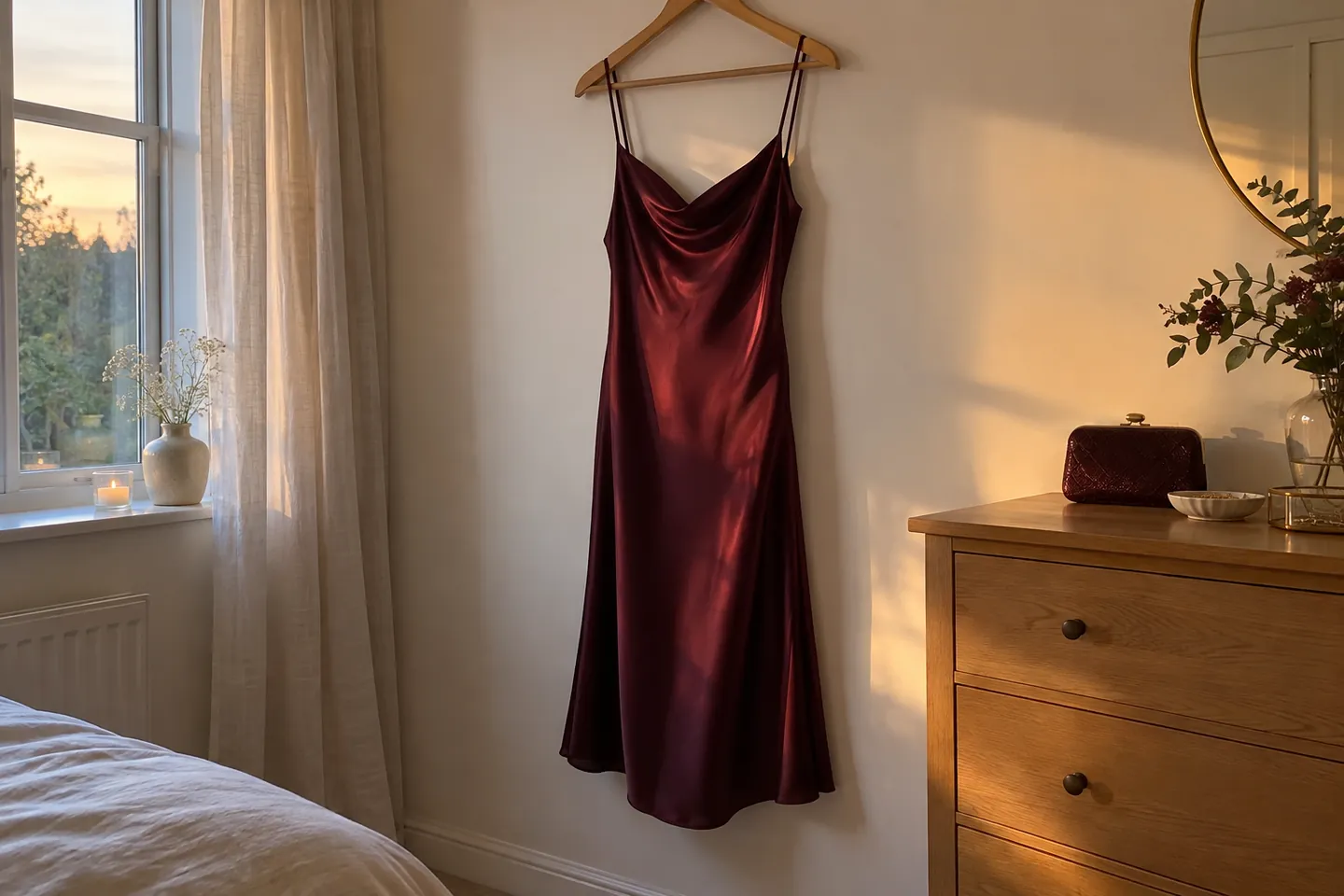 Party
Party Dresses: How to Pick the Right Cut, Length and Fabric
Choose a party dress by occasion, cut, length and fabric. A practical guide with an interactive finder and fit notes for evenings out.
 Guides
Wedding Guest Outfits for Daytime, Evening and Garden Weddings
What to wear to a wedding as a guest: outfits by time of day, venue and season, with a checker that lists what to confirm before you shop.
 Guides
How to Measure Yourself for Dresses and Jumpsuits
Measure bust, waist, hip and length correctly, then use the size calculator to find the size range to start with for dresses and jumpsuits.