Beauty
A Ten-Minute Beauty Routine That Holds Up All Week
A ten-minute routine needs four steps: cleanse, apply a treatment, moisturise and finish with sun protection in the morning. Skip extra steps until these four are consistent for at least four weeks, because consistency changes skin more than any single product.
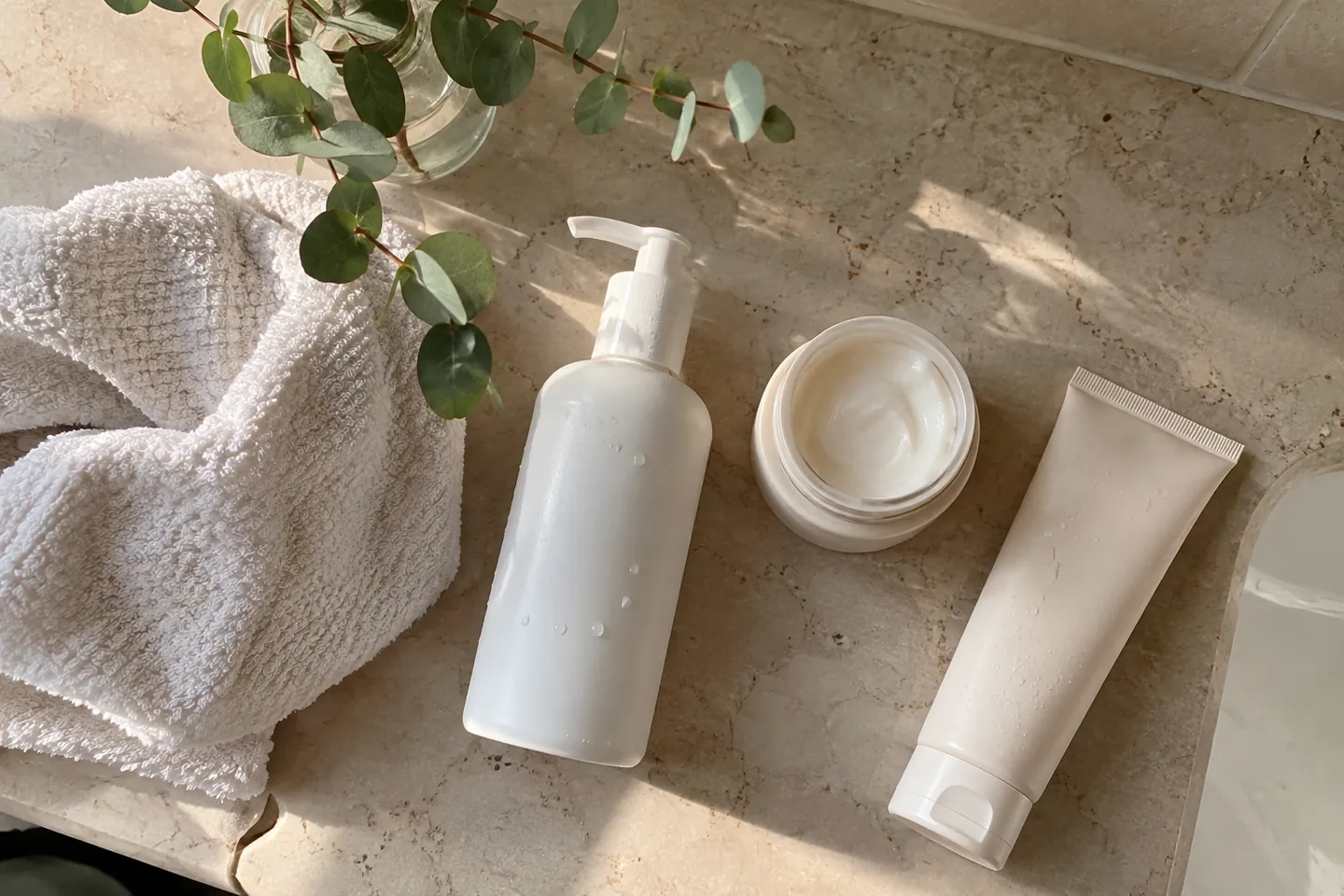
Most beauty routines fail because they are too long to repeat. Ten steps in the morning and another ten at night look thorough on a shelf, but by Wednesday they are abandoned. A short routine that you do every day usually does more for skin than a long one you do twice a week. This guide sets out a routine that fits in ten minutes and holds up across a week.
The four steps, and why each one is there
Cleansing removes the dirt, oil and make-up that build up during the day. Use a gentle cleanser twice a day if your skin feels tight or looks oily by midday, and once a day in the evening if your skin is dry. A cleanser should leave the skin feeling clean but not squeaky. Squeaky usually means the product has stripped the surface.
A treatment is the product that does a specific job: a serum for brightness, a gel for oil control, or a cream with a retinoid for fine lines. Choose one treatment at a time. Apply it to dry skin after cleansing, in a thin layer, and wait a minute before the next step so it can settle.
Moisturiser keeps the water in the skin and forms a barrier against wind, heat and air conditioning. A light gel works for oily skin; a cream suits dry skin. Apply it to the face and neck, and do not skip the neck, because it shows the same signs of age as the face.
Sun protection is the most effective anti-ageing step most people can take. A broad-spectrum sunscreen with at least SPF 30 applied every morning reduces the damage that causes dark spots and uneven tone. Apply a generous amount, about two finger lengths for the face and neck, and reapply after several hours outdoors.
The ten-minute routine, step by step
- Cleanse, 1 minute. Massage the cleanser for thirty seconds with lukewarm water, then rinse. Pat dry; do not rub.
- Treat, 2 minutes. Apply a few drops or a pea-sized amount of your chosen treatment. Press it in with the fingertips, from the centre of the face outward.
- Moisturise, 1 minute. Apply a thin layer to the face and neck, using upward strokes on the jaw and cheeks.
- Protect, 1 minute. In the morning only, apply sunscreen last, after moisturiser. Include the ears, the hairline and the back of the hands.
- Rest, 5 minutes. Let the products settle, then do your make-up, dress or start the day. The rest is built into the routine because it prevents rushing and pilling.
In the evening, replace the sunscreen step with a second cleanse if you wore make-up. Keep the treatment and moisturiser the same, unless your skin reacts to a new ingredient.
Routine builder
Tick the steps you use. The total time updates, and you can see whether the routine fits the ten-minute target.
Choosing a treatment without guessing
Treatments work on different problems, and the wrong one can irritate skin that was fine before. Choose one based on the main concern you can see in the mirror, and give it four to six weeks. Changing two products at once makes it impossible to know which one caused a reaction.
| Main concern | Look for | Start with |
|---|---|---|
| Dryness and tightness | Hyaluronic acid, glycerin, ceramides | A hydrating serum and a rich cream |
| Oiliness and blemishes | Niacinamide, light gel textures | A lightweight gel moisturiser |
| Uneven tone | Vitamin C, azelaic acid | A vitamin C serum in the morning |
| Fine lines | Retinol or a gentle retinoid | A low-strength product at night, three nights a week |
| Sensitivity | Fragrance-free formulas, short ingredient lists | A basic cleanser and a barrier cream |
If you use a retinoid, apply sunscreen every morning and expect a short period of dryness or flaking in the first weeks. Start with two or three nights a week and increase only if the skin is calm. Stop and see a dermatologist if you get persistent redness, swelling or burning.
Skin types and the same four steps
The four steps stay the same across skin types. What changes is the texture and the strength of each product. Oily skin usually needs a gel cleanser and a light moisturiser, but it still needs moisturiser. Dry skin needs a cream cleanser or a milk cleanser and a richer moisturiser at night. Combination skin often works best with a balanced gel-cream moisturiser, applied more lightly to the oily T-zone.
Sensitive skin needs the fewest products. Keep the cleanser gentle, use one treatment at most, and patch-test anything new on the inside of the arm for three days before the face.
How to make the routine stick
Put the products where you will see them when you start your routine, and remove everything you do not use. A shelf with four products is easier to use than a drawer with twelve. Tie the routine to something you already do each day, such as brushing your teeth or making coffee, so the steps happen automatically.
Keep a note for one month. Write down whether your skin felt tight, oily or calm each morning, and whether you missed any steps. The note is more useful than memory, because it shows the pattern. If you missed sunscreen on three days in a week, the problem is the routine, not the product.
Frequently asked questions
Do I need a serum if I have a moisturiser?
Not always. A serum is a treatment for a specific concern. If your skin is calm and your moisturiser works, you can skip it and keep the routine short.
Is one sunscreen enough for the day?
Reapply every two hours if you are outdoors or near a window for long periods. Indoor use needs only the morning application for most people.
How long before I see results from a new product?
Most products need four to six weeks of regular use before the effect is clear. Give one product a fair test before you judge it.
Can I combine a treatment with sunscreen in one product?
Some products combine them, but a separate sunscreen is more reliable. Check the label for broad-spectrum protection and at least SPF 30.
Sun protection advice follows general dermatology guidance, such as the American Academy of Dermatology (aad.org). If a product causes persistent irritation, stop using it and speak to a pharmacist or a dermatologist.
Keep reading
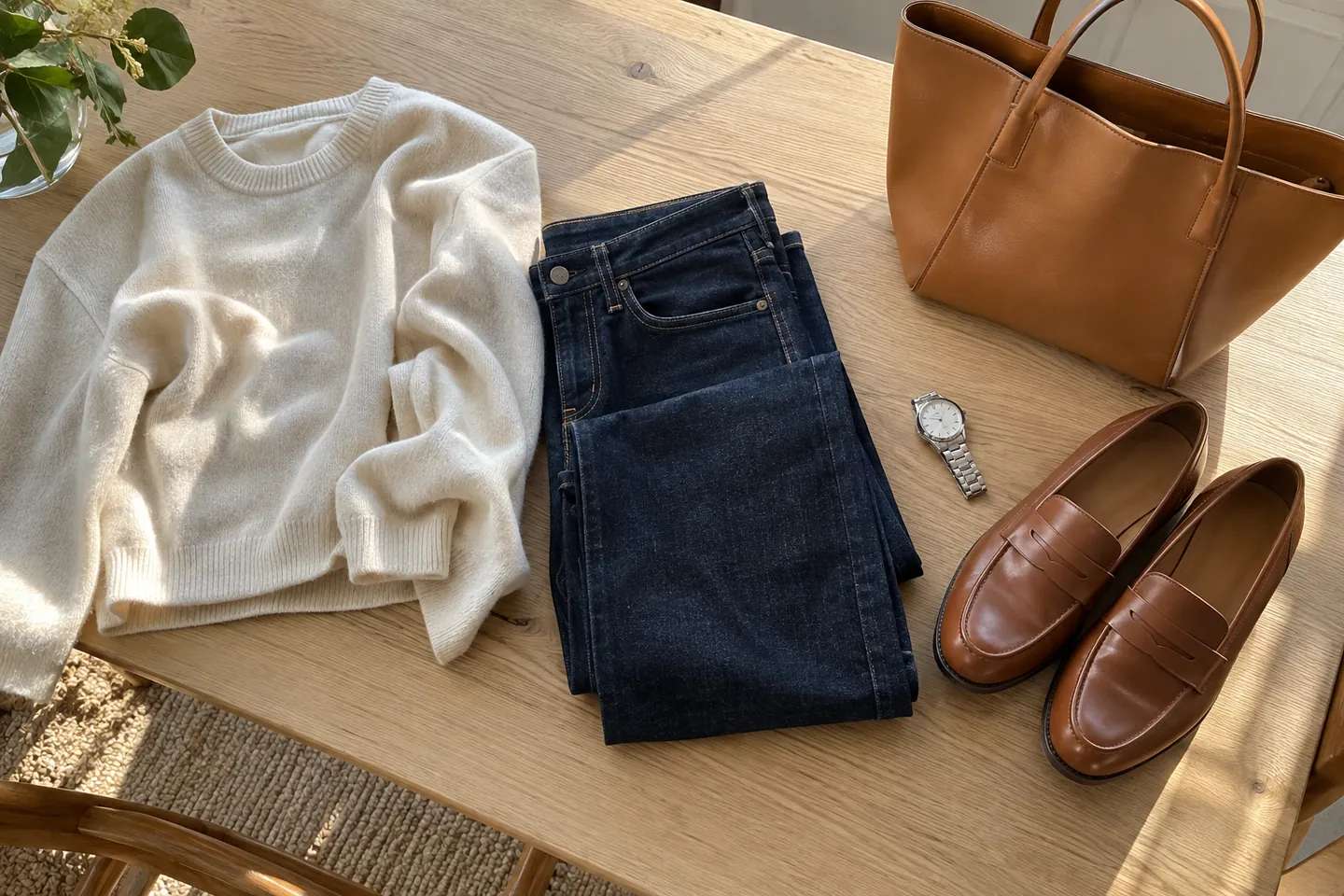 Daywear
 Capsule: Nine Pieces That Work From Desk to Dinner
Build a daywear capsule of nine pieces that mix into dozens of outfits. Includes a capsule checklist that counts your possible outfits.
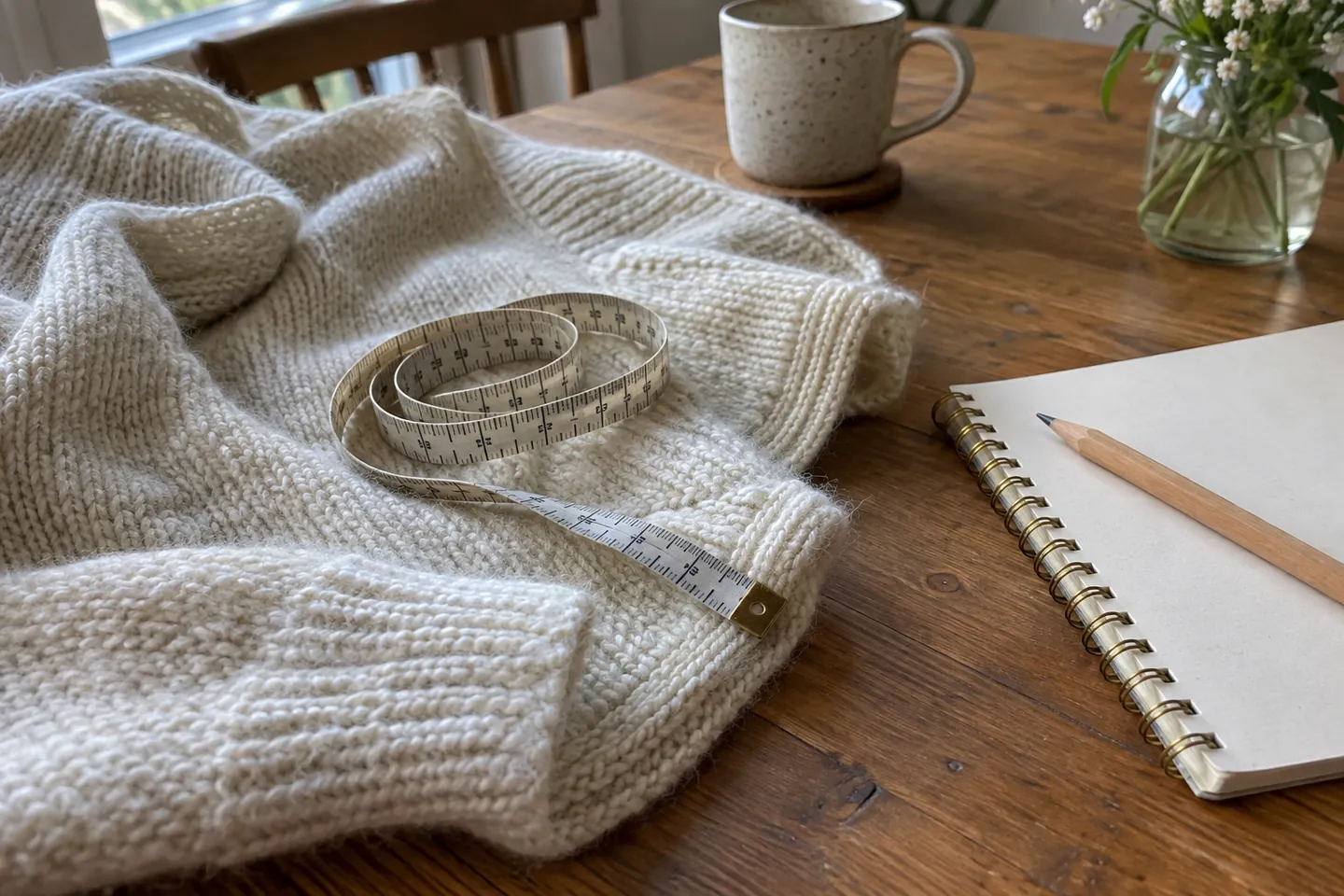 Guides
How to Measure Yourself for Dresses and Jumpsuits
Measure bust, waist, hip and length correctly, then use the size calculator to find the size range to start with for dresses and jumpsuits.
 Guides
Dress Codes Decoded: Black Tie, Cocktail, Smart Casual and More
What black tie, cocktail, smart casual, business casual and festive attire really mean, with examples and a flashcard quiz to test yourself.